
Dunkelflaute

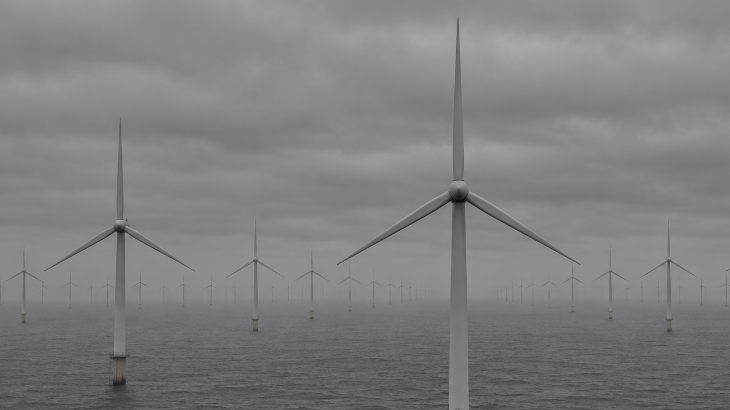
Ever heard the word Dunkelflaute? It is German for “dark doldrums”, and it describes those grey, still spells when wind and solar farms barely produce any power. They are nothing new, but the more Britain depends upon wind and solar, the more dark doldrums matter. They also play a surprisingly big part in what we all pay for our energy.
So, what happens when the weather goes quiet, what keeps our lights on, and where does our money actually go?
In a nutshell
Wind and solar now supply over a third of Great Britain’s electricity. When a lull lasts several days, there’s a big gap to fill from other sources, and that costs money.
Why calm, grey spells are a bigger deal now
Climate change may change when and how often these lulls happen, though scientists aren’t sure yet what that means for the UK. What we do know is that the more we rely on wind and solar, the more exposed our grid is when both go quiet together.
Shifting weather patterns
A warming climate can change the jet stream and other big drivers of our weather. That could change how long stagnant, cloudy spells last and when they show up, even beyond the usual November to January window.
Low wind and low sun together
Some studies show longer wind droughts in certain regions, but a Dunkelflaute needs both low wind and low solar output, so wind trends alone don’t tell the whole story.
Higher demand
Cold snaps push up our heating needs, and as we switch to electricity for heating and vehicles, we are using use more electricity every day.
Higher prices
Calling on backup power during a lull pushes up costs and wholesale prices. And if our neighbours are having calm weather too, there’s less power available to import.
What keeps the lights on?
Grid-scale storage batteries usually run out after a few hours, so a lull lasting days needs some extra help. Though batteries and smart tariffs help us through short peaks the UK has to rely on a mix of options.
Gas power stations are still our main backup. Around 35 GW is kept in reserve, ready to run for only a small part of the year. The government's plan for Clean Power 2030 includes gas with carbon capture, hydrogen-ready turbines, biomass (such as Drax) and nuclear (such as Hinkley Point C and Sizewell C). These can all deliver steady power whatever the weather.
Long-duration storage like pumped hydro (for example Dinorwig in Wales), liquid and compressed air, and hydrogen stored in salt caverns can release energy over days rather than hours.
Interconnectors are the undersea cables to France, Norway, Belgium and Denmark. They help, but big weather systems often affect our neighbours too.
How the options compare
Unabated gas: lasts days to weeks; mature (existing fleet); but with high carbon emissions when running.
Pumped hydro: lasts 8 to 24+ hours; mature (expanding); high upfront cost and long build times.
Hydrogen/carbon capture: lasts days to weeks, but these technologies are at their early commercial stage; expensive, with significant efficiency losses.
Nuclear: continuous; mature (new builds are extremely slow to come on stream); very high capital cost and inflexible output.
Lithium-ion batteries: last 1 to 4 hours; mature (rapidly growing); but cannot bridge multi-day lulls alone.
The good news is that policymakers are paying attention. In September 2026 the UK Parliament Environment and Climate Change Committee opened an inquiry into Dunkelflaute and electricity intermittency, and the National Energy System Operator (NESO) has been researching extreme weather and climate modelling for these events.
We pay for Dunkelflaute
Keeping backup plants on standby and upgrading the grid both show up on our fuel bills. Capacity Market payments keep gas plants, batteries and interconnectors available. Balancing Charges pay the National Energy System Operator (NESO) for keeping supply and demand level.
Grid bottlenecks or network limits often prevent electricity moving from where it is generated to where it is needed. When this happens, so supply and demand stay balanced without overloading power lines, NESO has to compensate power generators to reduce output. Over £1 billion a year has been added to system costs in recent years when congested power lines have stopped wind power reaching the south of the country. The added costs of urgently needed network upgrades (new pylons, subsea cables and substations) are shared across all customers. As objectors delay the construction of new power lines, these extra costs will continue to be added to our bills. We've had pylons across our countryside for decades. And we need them.
Next dull, overcast windless winter's day, think Dunkelflaute.