
Student housing and climate responsibility in West Northamptonshire

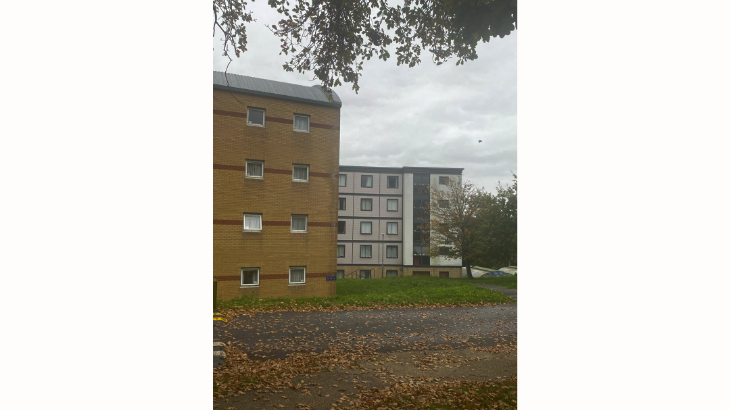
Aashvi Shah - Undergraduate Stage S (Placement Year at WNC). Durrell Institute of Conservation and Ecology: University of Kent
Students in West Northamptonshire, and across England, are living at the intersection of the cost-of-living crisis and the climate crisis. Cold bedrooms, rising rents and volatile energy costs are symptoms of a housing system that transfers environmental and financial risk onto tenants with the least power.
Student housing has a direct role in reducing greenhouse gas emissions and building community resilience. Homes are where energy is consumed daily, where health is shaped, and where climate policy becomes lived reality. If our housing stock is inefficient, the transition to net zero becomes more expensive and more difficult to achieve.
Data from Students Organising for Sustainability (SOS-UK, 2023) illustrates the scale of the issue in the student rental market:
- 49% report poor insulation or draughts
- 54% have experienced damp or mould
- 59% have felt uncomfortably cold
- 70% limit heating to reduce costs
- 12% have reached final energy bill reminders
Nearly half of those who felt cold reported anxiety or depression as a result. Cold homes compromise sleep, concentration and academic performance.
Climate change intensifies these pressures. In the UK, warmer and wetter winters increase the frequency of heavy rainfall events, raising the risk of damp and mould in poorly ventilated properties. At the same time, more frequent summer heatwaves, such as those recorded in 2022 and 2023, turn poorly insulated homes into heat traps, increasing overheating risk. Inefficient housing performs badly in both cold and heat extremes. Therefore, this is a public health and educational equity issue tied directly to climate instability.
Nationally, around 3.2 million households in England were classified as fuel poor under the Low Income Low Energy Efficiency (LILEE) measure in 2023. Students, particularly those concentrated in older, minimally compliant private rented housing, are disproportionately exposed to low energy performance and high heating demand.
Landlords are legally required to provide an Energy Performance Certificate (EPC) and meet minimum efficiency standards, typically EPC band E. Yet operating at the lowest permissible threshold has become normalised in parts of the student rental sector. “Barely legal” should not be the benchmark for acceptable living standards.
Poor insulation, single glazing and ageing heating systems increase both emissions and bills. Residential buildings account for roughly 17–20% of the UK’s territorial greenhouse gas emissions, largely from space heating. Inefficient homes therefore lock tenants into higher carbon output alongside higher expenditure.
No degree of responsible thermostat management can compensate for a property that haemorrhages heat. Where buildings underperform, the issue is infrastructural. Responsibility for systemic inefficiency lies primarily with property owners, regulators, and planning authorities.
If West Northamptonshire Council is serious about climate resilience, the private rented sector, including student housing, must be part of the strategy. Energy efficiency improvements deliver multiple co-benefits:
- Reduced household expenditure
- Lower carbon emissions
- Decreased damp and structural deterioration
- Improved public health outcomes
- Increased long-term asset value
Of course, while students can…
- Maintain heating within recommended temperature ranges (18 to 20°C)
- Use timers rather than continuous heating
- Ventilate to prevent condensation and mould
- Monitor consumption through smart meters where bills are tenant-managed
…it’s important to note that behavioural change cannot compensate for systemic inefficiency. Framing the crisis primarily as a matter of individual consumption obscures the structural determinants of energy waste. Climate action must be proportionate to power. Those who control building standards and capital investment have far greater capacity to reduce emissions at scale.
Whether you are a neighbour or a resident concerned about local climate policy, there are practical steps that contribute to change.
Tenants can:
- Request and review EPC ratings
- Report damp and insulation issues formally and in writing
- Engage with Students’ Union housing campaigns
- Respond to local housing consultations
- Raise enforcement concerns with councillors
Residents and community members can:
- Support stronger local housing enforcement
- Participate in public consultations on housing and planning
- Back initiatives that promote retrofit and energy efficiency
Landlords can:
- Invest in reducing heat loss and upgrading heating systems
- Seek available retrofit grants or incentives
- View energy efficiency as long-term asset protection, not short-term cost
Advocating for higher minimum EPC standards, robust enforcement against damp and mould, incentives for landlord retrofitting, and genuinely affordable, energy-efficient student accommodation is climate mitigation embedded in local housing policy.
During a cost-of-living crisis, climate action is often portrayed as sacrifice. For students at University of Northampton and across England, it should be understood as fairness: in housing quality, in energy expenditure, and in who carries the burden of transition.
Warm homes and lower emissions are aligned objectives. A well-insulated property reduces bills and carbon simultaneously. Sustainable housing means ensuring buildings do not leak heat and cost neither into winter air, nor trap dangerous heat in summer.
Students will continue to moderate consumption because the climate crisis demands it, but meaningful resilience requires structural change. Strengthening housing standards is both an environmental AND social priority.